A weekend outdoors can be one of the easiest ways to reset after a busy week. You do not need a month-long expedition or a complicated travel plan. Sometimes all it takes is a nearby trail, a campsite, a lake, or a quiet stretch of countryside.
The challenge usually comes before you leave: deciding what to pack.
Bring too little and you may spend the weekend cold, hungry, or uncomfortable. Bring too much and you end up carrying equipment that never leaves the bag.
The goal is not to pack everything you own. It is to bring the right gear for the conditions and the type of adventure you are planning.
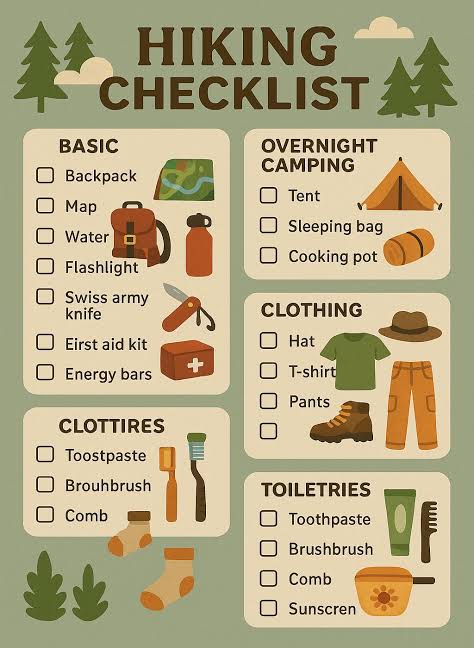
Here is a practical checklist to help you prepare.
Start With the Activity, Not the Gear
Before making a packing list, think about what you will actually be doing.
A weekend at a drive-in campground requires different equipment from an overnight backpacking trip. A relaxed cycling weekend has different priorities from a day of climbing or paddleboarding.
Ask yourself a few basic questions:
- How long will I be outside?
- Will I be sleeping outdoors?
- How far will I be from my vehicle or accommodation?
- What weather is expected?
- Will I have access to food and clean water?
- Will I need to carry everything myself?
Once you answer those questions, it becomes much easier to avoid unnecessary gear.
Choose a Comfortable Backpack
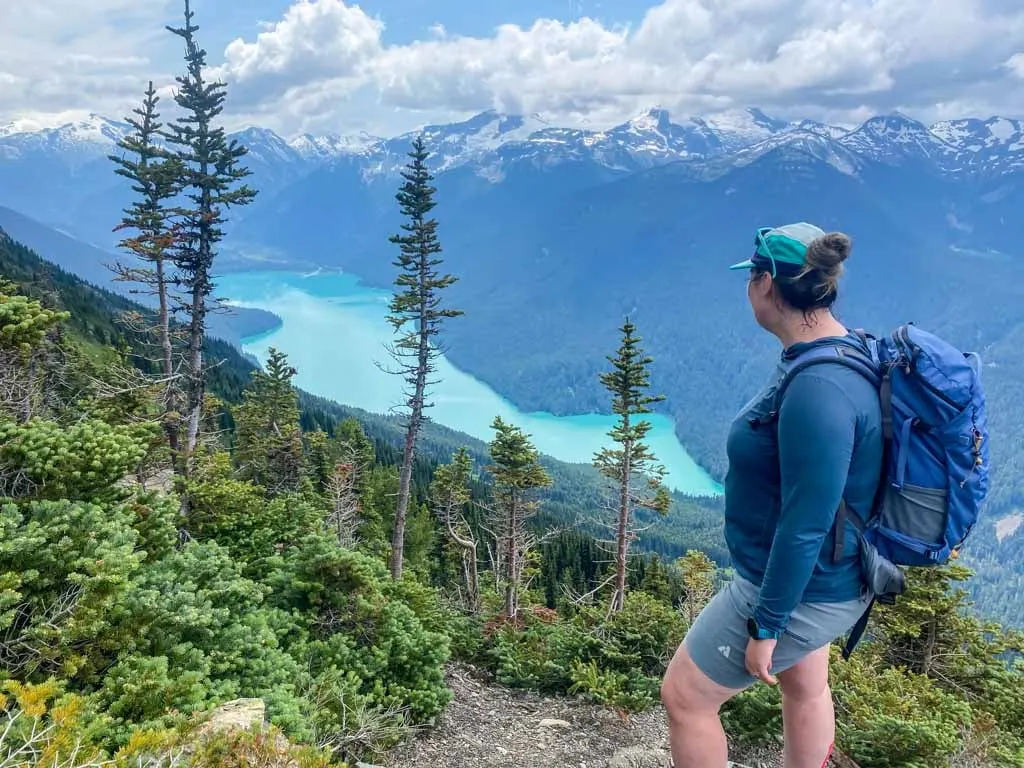
For day trips, a smaller backpack is usually enough for water, food, extra clothing, sunscreen, and basic emergency supplies.
If you are staying overnight and carrying camping equipment, you will need more capacity.
The most important thing is not simply the number of liters. The backpack should feel comfortable when loaded.
Look for useful features such as adjustable shoulder straps, a hip belt, multiple compartments, and easy access to frequently used items.
If possible, test the backpack with some weight inside before taking it on a long trip.
A bag that feels comfortable when empty can feel very different after several hours on the trail.
Pack Clothing in Layers
Outdoor weather can change quickly, even when the forecast looks good.
Rather than bringing one heavy piece of clothing, use a simple layering system.
A basic setup normally includes:
Base Layer
This sits closest to your skin and helps manage moisture.
Choose something lightweight and comfortable, especially if you expect to be active for several hours.
Mid Layer
The mid layer provides insulation.
A fleece or lightweight insulated jacket works well for many conditions and can easily be removed when you warm up.
Outer Layer
A waterproof or weather-resistant jacket protects you from wind and rain.
Even on a sunny weekend, having a lightweight shell in your backpack can be useful if conditions change unexpectedly.
You should also bring an extra pair of socks. Wet feet can quickly turn an enjoyable trip into an uncomfortable one.
Wear the Right Footwear
Footwear should match the terrain rather than simply the activity name.
A short walk on a well-maintained path may only require comfortable walking shoes. Rocky trails, muddy conditions, and longer hikes may benefit from hiking shoes or boots with better grip and support.
Whatever you choose, avoid wearing brand-new footwear on a long trip without testing it first.
Walk in it beforehand and make sure it does not cause rubbing or pressure points.
Blisters are a small problem that can become a very big annoyance when you are several miles from the car.
Bring Enough Water
Water should always be one of the first things on your packing list.
The amount you need depends on the weather, activity level, trip length, and whether safe refill points are available.
For longer trips, a hydration bladder can make drinking while moving more convenient. Reusable bottles are perfectly suitable for shorter outings.
If you plan to collect water from natural sources, make sure you have an appropriate filtration or purification method rather than assuming the water is safe to drink.
Keep Food Simple
Outdoor meals do not need to be complicated.
For a day trip, easy-to-carry foods such as sandwiches, fruit, nuts, energy bars, and dried snacks can work well.
For overnight camping, you may want a small stove and simple meals that require minimal preparation.
Consider how much cooking equipment you actually need. A large cooking setup may make sense at a campsite next to your vehicle but becomes much less appealing when you have to carry it several miles.
Always bring a little more food than you expect to eat, especially if your plans involve significant physical activity.
Do Not Forget Sun Protection
Sun protection is important even when the temperature is cool.
Pack sunscreen and consider bringing sunglasses and a hat, particularly if you will be in open areas for long periods.
High elevations and exposed environments can increase sun exposure, while reflections from water or snow can make it stronger than you might expect.
Sun protection takes up very little space, so it is one of the easiest items to keep permanently in your outdoor bag.
Carry a Basic First-Aid Kit
Most outdoor trips pass without any problems, but small injuries happen.
A compact first-aid kit can help with common issues such as cuts, scrapes, blisters, or minor discomfort.
Your kit does not need to be enormous. It should simply be appropriate for the activity and the number of people in your group.
For more remote trips, consider whether you need additional emergency supplies based on the environment and your level of experience.
Bring Navigation Tools
Phones make navigation easier, but they should not always be your only option.
Battery life, poor reception, and damaged devices can all create problems.
Before leaving, download any maps you may need for offline use. A portable power bank can also be valuable on longer outings.
For remote routes, carrying a physical map or another backup navigation method can provide additional peace of mind.
Most importantly, know where you are going before you start.
Prepare for the Evening
If your trip continues after sunset, lighting becomes essential.
A headlamp is often more useful than a handheld flashlight because it keeps your hands free while setting up camp, cooking, or moving around in the dark.
Bring spare batteries or make sure rechargeable lights are fully charged before leaving.
If you are camping overnight, think about how cold the temperature may become after sunset. Daytime temperatures can be misleading, particularly in mountains or open countryside.
Keep a Small Emergency Kit
Even on relatively easy weekend adventures, carrying a few emergency items is a sensible habit.
Depending on the activity, this might include:
- A whistle
- A multitool
- A small amount of tape
- A lighter or fire starter where appropriate
- An emergency blanket
- A portable charger
- Backup food
You may rarely use these items, but they take up little room and can be helpful when plans change.
Check Your Gear Before Leaving Home
The best time to discover that your flashlight has no battery is not after sunset at a campsite.
Before every trip, spend a few minutes checking your equipment.
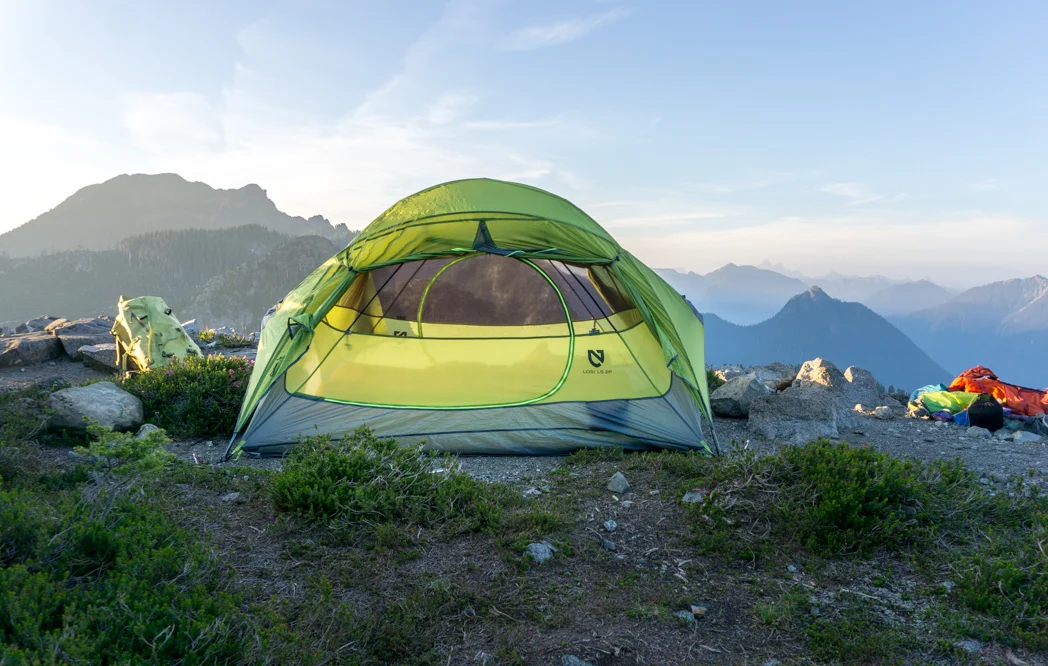
Set up your tent if it has not been used recently. Test your stove. Charge electronic devices. Check your backpack zippers. Make sure your waterproof jacket is still in good condition.
This is especially important for equipment that has been sitting in storage for several months.
A simple gear check can prevent many avoidable problems.
Pack for the Trip You Are Actually Taking
It is easy to become fascinated by outdoor equipment. There is always another gadget or accessory that promises to make the next adventure better.
But good packing is usually about simplicity.
Bring the equipment that matches your route, weather, and activity. Prioritize comfort, water, appropriate clothing, basic safety gear, and the items you know you will use.
As you spend more time outdoors, your packing list will naturally become more personal. You will learn which items you always use, which ones stay at the bottom of the bag, and what is worth upgrading.
And when you do need new equipment, Outdoor Sports Coupons can help you explore current offers across hiking, camping, cycling, climbing, winter sports, water sports, and other outdoor activities.
The goal is not to own the most gear.
It is to have what you need to get outside and enjoy the weekend.