A hot meal or a warm mug of coffee can turn a cold morning at camp into the highlight of your trip. Yet many first-time campers buy a camp stove based only on price or looks, only to discover later that it struggles in wind, runs through expensive fuel too fast, or feels awkward to pack.
Whether you are planning weekend car-camping trips with family or cutting weight for two-night backpacking routes, choosing the right camp stove and fuel system comes down to how you cook, where you camp, and what weather you expect. This guide breaks down the major stove types, fuel pros and cons, and practical buying checks so you can invest in a reliable setup without overpaying.
Start With How You Actually Camp
Before comparing burner specs or boil times, match the stove style to your typical trip. Camp stoves generally fall into two worlds: compact backpacking stoves built to fit inside a pack, and larger tabletop stoves designed for cooking real meals near your vehicle.
- Weekend backpacking and solo trips: Weight, packed size, and fast boil times matter most. You are usually boiling water for dehydrated meals, oats, noodles, or coffee rather than simmering multi-course dinners.
- Car camping and group trips: Weight is rarely an issue, while stability, flame control, and dual burners make a huge difference when you are frying eggs, warming tortillas, and brewing coffee at the same time.
- Cold-weather or high-elevation outings: Temperature and altitude directly affect fuel pressure, so choosing the right fuel system matters more than peak BTU numbers on a box.
Understanding the Main Camp Stove Types
1. Upright Canister Stoves
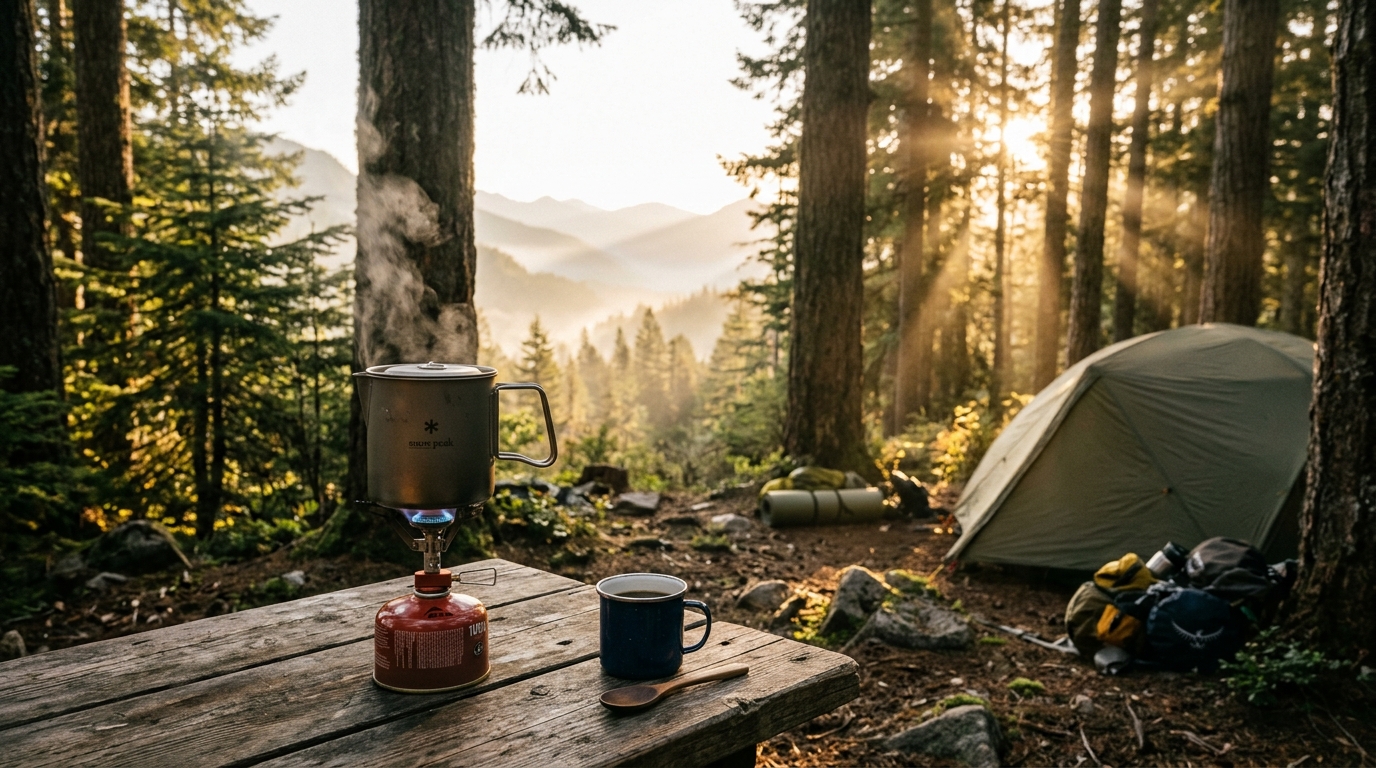
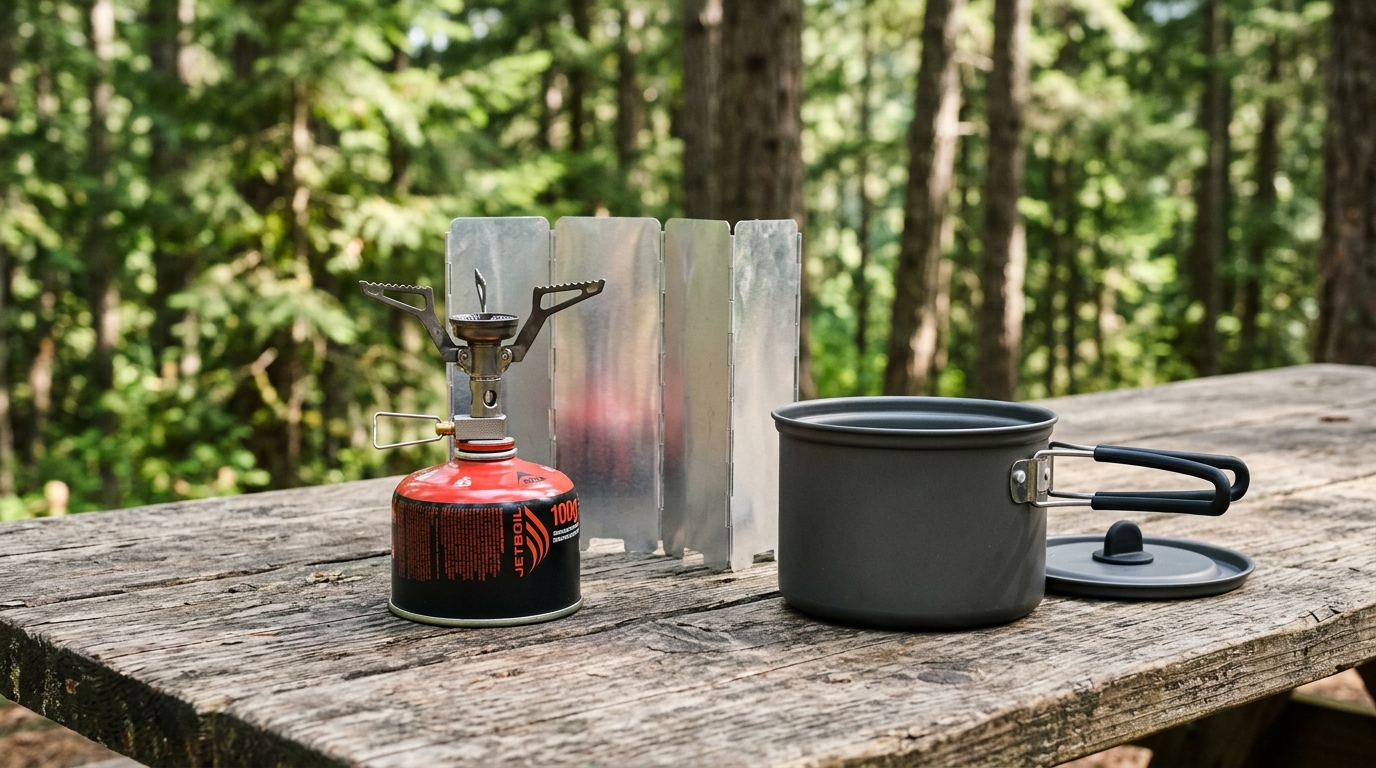
Upright canister stoves screw directly onto the top of a threaded isobutane-propane fuel canister. They fold down small enough to fit inside a single mug and typically weigh just a few ounces.
Best for: Fair-weather backpacking, minimalist hikers, and travelers on a budget.
Watch out for: Because the pot sits high above the canister, the setup can be tippy on uneven ground unless you use a stabilizer stand. They also lose pressure in sub-freezing temperatures unless the stove uses a pressure regulator.
2. Integrated Canister Systems
Integrated stove systems combine a burner with a dedicated heat-exchanger pot that locks securely onto the stove base. The built-in wind shielding and efficient heat transfer boil water quickly using remarkably little fuel.
Best for: Fast boils on windy ridges, coffee lovers, and backpackers who rely on freeze-dried meals.
Watch out for: They cost more upfront, pack a bit bulkier than tiny screw-on burners, and are not ideal for delicate simmering or cooking with wide skillets.
3. Remote Canister and Liquid-Fuel Stoves
Remote canister stoves connect to the fuel canister via a flexible hose, allowing the burner to sit low and wide on the ground for better pot stability. Liquid-fuel stoves take this versatility further by burning white gas—and in multi-fuel models, unleaded gasoline or kerosene—from a refillable pump bottle.
Best for: Winter camping, high-altitude routes, international travel where threaded canisters are hard to find, and cooking with larger pots.
Watch out for: Liquid-fuel stoves require priming before they burn cleanly, take more maintenance, and weigh more than simple canister units.
4. Two-Burner Propane Camp Stoves
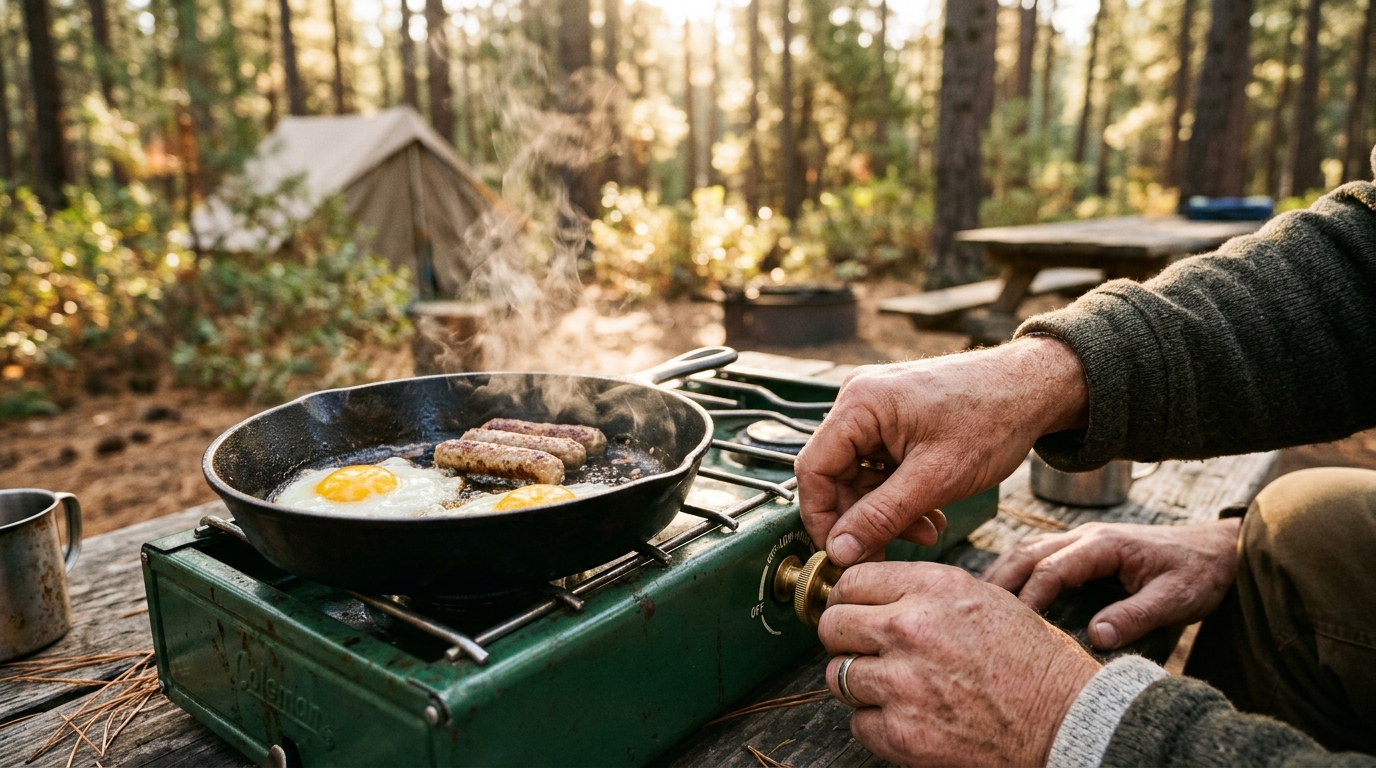
The classic folding two-burner propane stove remains undefeated for car camping. Running on green 1-pound propane cylinders—or a larger refillable 5-pound or 20-pound tank with an adapter hose—these stoves offer wide grates, built-in windscreens, and smooth simmer control.
Best for: Family campgrounds, tailgating, and campers who love cooking fresh meals from scratch.
Watch out for: Disposable 1-pound cylinders create extra waste and cost more per ounce of fuel than refilling a larger propane tank.
Key Features That Separate Good Stoves From Frustrating Ones
Flame Control and Simmering
Plenty of budget stoves have two settings: full blast or off. If you only boil water, that is fine. If you want to simmer pasta sauce, cook rice, or sear fish without scorching the pan, look for a stove with a wide valve range and a micro-adjusting regulator.
Wind Performance
A light breeze can double your boil time and drain half a canister. Integrated stoves and two-burner suitcase stoves include built-in wind protection. If you buy an open screw-on canister burner, check whether the burner head is recessed or lipped—and never wrap a solid foil windscreen tightly around an upright canister stove, as trapping heat above the canister can dangerously overheat it.
Ignition Convenience vs. Reliability
Built-in piezo igniters are convenient when they work, especially in damp weather. However, piezo sparks can fail after heavy use, drops, or high-altitude camping. Always carry a mini lighter or waterproof matches as a backup regardless of what the stove includes.
Pot Support Width and Stability
Check the diameter of the pot arms before buying. Tiny three-arm ultralight stoves balance a narrow 750ml titanium pot nicely, but a wide 10-inch skillet will wobble dangerously on them. Match your pot width to the stove’s support footprint.
Smart Ways to Save Money on Your Camp Kitchen
You do not need the lightest boutique stove on the shelf to eat well outdoors. A few smart choices stretch your budget further:
- Skip unnecessary accessories early on: Start with one reliable stove and a single hard-anodized aluminum pot, which conducts heat evenly and costs far less than titanium.
- Buy larger fuel canisters or refillable propane: An 8-ounce isobutane canister offers better value per ounce than 4-ounce mini canisters for multi-day trips, while a 5-pound refillable propane tank pays for itself quickly for frequent car campers.
- Use lids and boil only what you need: Putting a lid on your pot cuts boil times and fuel use dramatically—one of the easiest ways to make every canister last longer.
- Watch seasonal clearance windows: Late fall and end-of-summer sales often discount reliable last-season camp stoves and cookware bundles by 20% to 40%.
Final Thoughts
The best camp stove is the one that fits your real-world trips rather than extreme scenarios you rarely attempt. If most of your nights are spent near your car, a dependable two-burner propane stove will bring far more joy than an ultralight pocket burner. If you carry everything on your back, a compact regulated canister stove paired with a lidded pot hits the sweet spot of price, weight, and reliability. Choose the fuel system that matches your climate, test it at home before heading into the backcountry, and you will be ready for warm meals on every trip.