Outdoor adventures are supposed to make life feel bigger, not make your bank balance feel smaller.
But anyone who has shopped for hiking boots, tents, backpacks, ski jackets or camping equipment knows how quickly the cost can add up. A few “essential” purchases can easily turn into hundreds of dollars before you have even reached the trailhead.
The good news is that enjoying the outdoors does not require buying the most expensive gear on the market. With a little patience and a smarter shopping strategy, you can find reliable equipment for much less without sacrificing safety, comfort or performance.
Here are some of the best ways to save money on outdoor gear while still buying products you can actually rely on.
1. Decide What You Really Need Before You Shop
One of the easiest ways to overspend on outdoor equipment is to start shopping before you have decided what your trip actually requires.
Outdoor retailers are very good at making everything look essential. Suddenly, a simple weekend camping trip seems to require a new tent, premium sleeping pad, technical jacket, portable stove, trekking poles and half a dozen accessories.
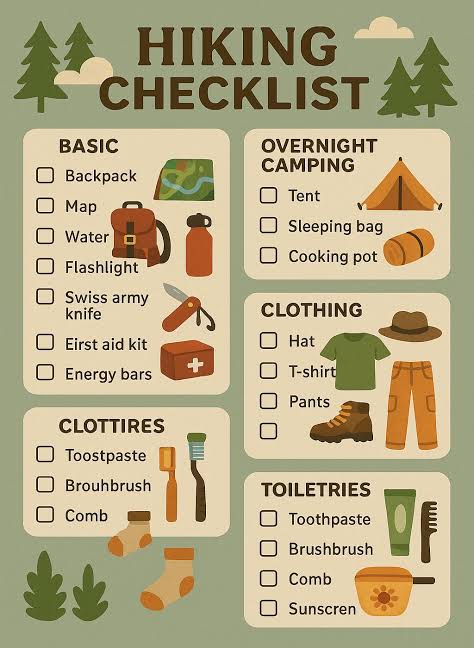
Before buying anything, make a simple list based on three categories:
- Essential gear you genuinely need
- Items you already own
- Optional upgrades that would be nice, but are not necessary
For a beginner hiker, for example, comfortable footwear, weather-appropriate clothing, water and a suitable backpack may matter far more than expensive technical accessories.
Start with function first. You can always upgrade later after you understand which features actually matter to you.
2. Compare Prices Instead of Buying From the First Store
Outdoor equipment prices can vary significantly between retailers.
The same backpack, jacket or pair of hiking boots may be sold at full price by one retailer while another store is offering a seasonal discount, coupon code or clearance price.
Before making a major purchase, check several stores and look for:
- Current sale prices
- Coupon codes
- Clearance sections
- Loyalty discounts
- Free shipping offers
- Bundle deals
This is particularly useful for well-known products where the item itself is identical regardless of where you purchase it.
A few minutes of comparison shopping can often save more money than choosing a cheaper product.
3. Shop at the End of the Season
Timing matters almost as much as the product you choose.
Retailers need space for new seasonal inventory, which means older stock often gets discounted heavily as one outdoor season comes to an end.
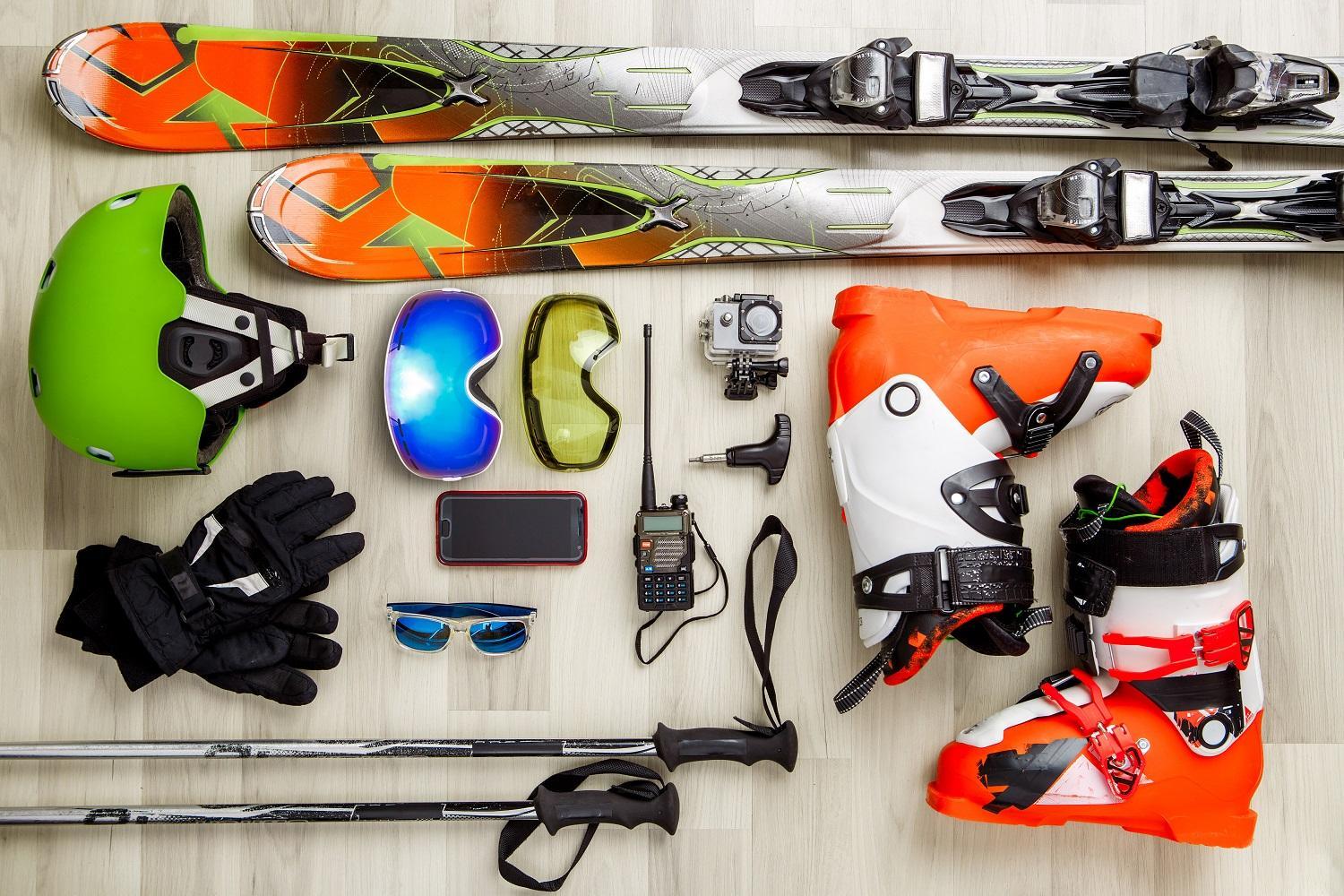
Winter gear, for example, may become much cheaper toward the end of the ski season. Camping furniture, warm-weather clothing and other summer equipment can often be discounted as autumn approaches.
If you are not in a hurry, buying equipment several months before you actually need it can be one of the easiest ways to save.
This strategy works especially well for products that do not change dramatically from year to year, such as:
- Tents
- Sleeping bags
- Hiking backpacks
- Ski clothing
- Camping furniture
- Trekking poles
- Base layers
Last season’s equipment is often perfectly capable equipment with a much better price tag.
4. Look for Coupons Before Checking Out
Finding a product on sale is good.
Finding that product on sale and then applying an additional discount can be even better.
Before completing an outdoor gear purchase, it is always worth checking whether the retailer currently has a valid coupon or promotional offer available.
Discounts may include a percentage off your order, a fixed dollar amount, free delivery or special deals for new customers.
This is exactly where a site such as Outdoor Coupon can be useful. Instead of visiting individual retailer websites one by one, shoppers can look for outdoor-focused offers covering categories such as hiking, camping, skiing, snowboarding and recreational equipment.
Even a modest discount can make a noticeable difference when you are buying higher-priced equipment.
5. Spend More on Gear That Directly Affects Comfort or Safety
Saving money does not always mean choosing the cheapest option.
Some products are worth investing in because poor-quality gear can quickly ruin an outdoor trip.
Footwear is a good example. Cheap hiking boots that do not fit properly can lead to blisters, discomfort and potentially even injury.
The same principle applies to equipment such as:
- Climbing safety equipment
- Helmets
- Technical footwear
- Waterproof outerwear
- Cold-weather sleeping systems
On the other hand, you may not need premium versions of every accessory.
A simple camping mug, storage bag or camp chair does not necessarily need the same level of investment as your hiking boots or winter jacket.
A useful rule is to spend more where performance, fit or safety genuinely matters and save money everywhere else.
6. Consider Previous-Generation Products
Outdoor brands regularly release updated versions of popular equipment.
Sometimes the new version introduces an important improvement. Other times, the changes are surprisingly small.
A backpack might receive a slightly different pocket layout. A jacket might come in new colors. A tent may receive a minor fabric update.
Meanwhile, the previous model is often discounted.
For shoppers who care more about performance than owning the newest design, older models can offer excellent value.
Before paying full price for the newest version, compare the specifications carefully. If the differences are minor, the discounted model may be the smarter purchase.
7. Buy Versatile Gear
One piece of equipment that works for several activities can be more valuable than several specialized products.
For example, a good waterproof shell may work for hiking, camping, travel and everyday wet weather. A lightweight daypack may be useful for short hikes, cycling trips and city travel.
When comparing products, ask yourself:
“How many situations will I realistically use this for?”
Versatile equipment reduces the number of items you need to buy and often makes packing easier as well.
This is particularly useful for people who enjoy several outdoor activities but do not want a garage full of specialized equipment.
8. Take Care of the Equipment You Already Own
One of the most overlooked ways to save money on outdoor gear is simply making your existing gear last longer.
Outdoor equipment is regularly exposed to mud, moisture, sunlight and rough surfaces. Basic maintenance can dramatically extend its usable life.
Depending on the product, that might mean:
- Cleaning hiking boots after muddy trips
- Drying tents completely before storage
- Washing waterproof clothing correctly
- Reapplying water-repellent treatments when needed
- Storing sleeping bags loosely rather than compressed
- Keeping skis and snowboards properly maintained
Replacing equipment because it has genuinely reached the end of its life is unavoidable.
Replacing it because it was stored wet in a garage for six months is much easier to prevent.
9. Avoid Buying Too Much Gear as a Beginner
If you are just getting into camping, hiking, skiing or another outdoor activity, it is tempting to build your entire setup immediately.
Try not to.
Your preferences will change once you gain experience.
You may discover that you prefer lightweight hiking instead of carrying a large pack. You might decide that car camping suits you better than backpacking. You may realize that certain features you originally thought were essential barely matter in real-world use.
Start with the basics and learn what you actually enjoy.
The gear you buy after ten trips is usually much better informed than the gear you buy before your first one.
10. Use Your Budget Where It Creates the Most Value
Outdoor gear is ultimately a tool.
Its purpose is to help you spend more time hiking, camping, skiing, exploring and enjoying the outdoors.
That means the “best” equipment is not necessarily the most expensive equipment. It is the equipment that suits your activity, fits your budget and performs reliably when you need it.
Shop patiently. Compare retailers. Look for discounts. Buy older models when the value makes sense. Maintain what you already own.
Most importantly, do not let expensive equipment convince you that outdoor adventure has to be expensive too.
A smart purchase leaves more money for the part that actually matters: getting outside and using it.
Find Better Deals Before Your Next Adventure
Before paying full price for your next piece of outdoor equipment, take a few minutes to see what discounts are available.
Outdoor Coupon helps adventure seekers find offers across outdoor sports, hiking, camping, skiing, snowboarding and recreational gear, making it easier to spend less on equipment and more time enjoying the outdoors.
Your next adventure does not need the biggest budget.
It just needs the right gear at the right price.